
Jennifer Agadzhanov’s Guide to Financing Investment Properties at Current Mortgage Rates in Philadelphia
As Philadelphia’s real estate market continues to evolve in 2026, savvy investors are discovering that the right financing strategy can make all the difference between a profitable investment and a missed opportunity. With mortgage rates fluctuating and lending standards shifting, understanding your financing options has never been more critical for those looking to build wealth through Philadelphia investment properties.
Jennifer Agadzhanov, a seasoned real estate professional with PHL Property Collective and Fusion PHL Realty, has helped dozens of investors navigate the complexities of property financing in the greater Philadelphia area. In this comprehensive guide, we’ll break down everything you need to know about securing financing for investment properties at current mortgage rates—from the basics of investment property loans to strategies for maximizing your returns in Philadelphia’s diverse neighborhoods.
Understanding Investment Property Mortgage Rates in 2026
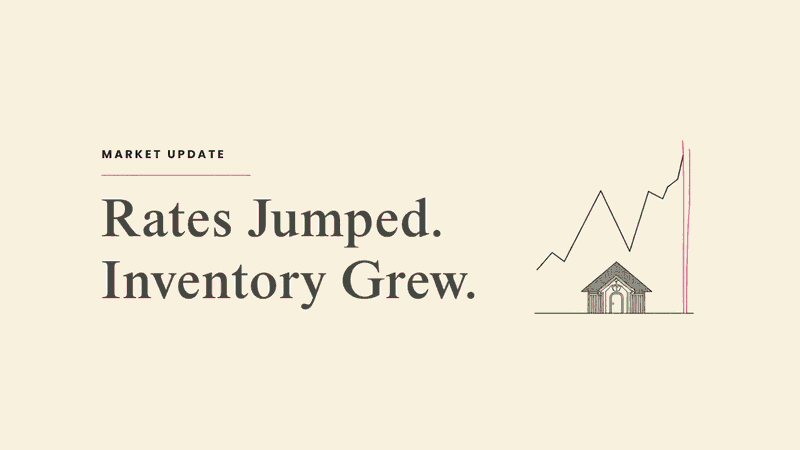
Investment property mortgage rates typically run 0.5% to 0.75% higher than rates for primary residences. As of April 2026, investors in the Philadelphia area are seeing rates that reflect both national economic trends and local market conditions. While these rates are higher than what you’d pay for your own home, they represent a calculated cost of doing business that can still yield substantial returns in the right neighborhoods.
“The key is not just looking at the rate itself, but understanding the total cost of financing and how it impacts your cash flow projections,” explains Jennifer Agadzhanov. “I work with investors to run detailed numbers on each potential property, factoring in not just the mortgage payment but also taxes, insurance, maintenance, and expected rental income.”
Types of Financing for Philadelphia Investment Properties
Conventional Investment Property Loans
Conventional loans remain the most popular choice for investment property financing. These loans typically require a minimum 15-20% down payment, though many lenders prefer 25% for investment properties. Your credit score plays a crucial role—most lenders want to see a score of 680 or higher, with the best rates reserved for scores above 740.
In Philadelphia’s competitive market, having strong conventional financing in place can give you an edge when making offers, particularly in sought-after neighborhoods like University City, where investor competition for well-maintained properties remains fierce.
Portfolio Loans and Local Bank Relationships
Building relationships with local Philadelphia-area banks can open doors to portfolio loans—mortgages that banks keep on their own books rather than selling to Fannie Mae or Freddie Mac. These loans offer more flexibility in terms of property condition, number of properties financed, and borrower qualifications.
Fishtown and Kensington investors, in particular, have benefited from portfolio loans when financing properties that need renovation work. These neighborhoods continue to attract investors looking for value-add opportunities, and local lenders who understand the market dynamics can be invaluable partners.
FHA and House Hacking Strategies
For first-time investors with limited capital, an FHA loan combined with a house-hacking strategy can be an excellent entry point. By purchasing a 2-4 unit property, living in one unit, and renting out the others, you can qualify for owner-occupied financing with as little as 3.5% down.
This strategy works particularly well in neighborhoods like West Philadelphia and parts of North Philadelphia, where multi-unit properties are abundant and rental demand from students and young professionals remains strong.
Neighborhood-Specific Financing Considerations
University City and Graduate Hospital
These established neighborhoods command premium prices, but they also offer stable rental demand and strong appreciation potential. Investors here typically need substantial capital and excellent credit to compete. Cash flow may be tighter initially, but long-term appreciation and minimal vacancy rates make these areas attractive for buy-and-hold investors.
Fishtown and Northern Liberties
Once the frontier of Philadelphia’s renaissance, these neighborhoods now offer a mix of turnkey properties and renovation opportunities. Lenders are generally comfortable with these areas, and conventional financing is readily available. The challenge is finding deals that still make financial sense at current price points.
Kensington and Port Richmond
These emerging neighborhoods offer some of the best opportunities for value investors willing to put in work. Properties here often require renovation financing or hard money loans for purchase and rehab, followed by refinancing into conventional mortgages once stabilized. The team at PHL Property Collective has extensive experience helping investors execute this BRRRR (Buy, Rehab, Rent, Refinance, Repeat) strategy in these neighborhoods.
Main Line Suburbs
Lower Merion, Ardmore, and surrounding Main Line communities offer a different investment profile—higher acquisition costs but also higher rents and extremely stable tenant bases. Investors here often benefit from lower mortgage rates due to the premium nature of the properties and neighborhoods. Working with experienced professionals who understand Main Line real estate is essential for success in this market.
Key Factors That Impact Your Investment Mortgage Rate
Several factors will determine the mortgage rate you qualify for on investment properties:
Credit Score: This remains the single biggest factor. A score above 740 typically unlocks the best rates, while scores below 680 may face significant rate premiums or difficulty qualifying altogether.
Down Payment: Larger down payments (25% or more) often result in better rates and terms. They also improve your cash flow by reducing your monthly payment and eliminating private mortgage insurance.
Cash Reserves: Lenders want to see that you have sufficient reserves (typically 6-12 months of mortgage payments) even after closing. This is particularly important if you’re financing multiple properties.
Debt-to-Income Ratio: Lenders calculate your DTI including the new mortgage payment, minus 75% of expected rental income (some lenders use 100% if you have a signed lease). Keeping your DTI below 43% is generally necessary for conventional financing.
Property Type and Condition: Single-family homes and small multi-units (2-4 units) are easiest to finance. Properties requiring significant renovation may require alternative financing strategies initially.
Strategies for Success in Today’s Market
Get Pre-Approved Early
“One of the biggest mistakes I see investors make is starting their property search before getting financing lined up,” notes Jennifer Agadzhanov. “In competitive Philadelphia neighborhoods, you need to move quickly when the right opportunity appears. Having your financing pre-approved—and better yet, having relationships with multiple lenders—gives you the flexibility to act decisively.”
Run Conservative Numbers
With mortgage rates higher than the historic lows of recent years, conservative underwriting is more important than ever. Factor in vacancy rates of at least 5-8%, maintenance reserves of 1-2% of property value annually, and potential increases in property taxes and insurance. Properties that still cash flow under these conservative assumptions are the ones worth pursuing.
Consider Your Exit Strategy
Will you hold this property long-term, or is it a value-add play you’ll refinance or sell in a few years? Your financing strategy should align with your investment timeline. Adjustable-rate mortgages (ARMs) may offer lower initial rates for short-term holds, while long-term investors may want the stability of fixed-rate financing.
Build Your Team
Successful real estate investing requires a team of professionals who understand the Philadelphia market. Beyond your lender, you need a real estate agent who specializes in investment properties, a reliable contractor for renovations, a responsive property manager, and a real estate attorney familiar with Philadelphia’s rental regulations.
The team at PHL Property Collective and Fusion PHL Realty has built a comprehensive network of investor-friendly professionals throughout the greater Philadelphia area. This network can save investors thousands of dollars and countless headaches by connecting them with vetted, reliable partners.
Current Market Opportunities
While mortgage rates have increased from pandemic-era lows, opportunity still abounds in the Philadelphia market for prepared investors. Several factors are creating favorable conditions:
Rental Demand: Philadelphia’s rental market remains strong, with demand from students, young professionals, and families creating opportunities across multiple price points and neighborhoods.
Reduced Competition: Higher mortgage rates have sidelined some investors, reducing competition for properties and creating negotiating leverage for serious buyers with financing in place.
Value-Add Opportunities: Properties that need cosmetic updates or more substantial renovation work are often available at discounts, allowing investors to create instant equity through strategic improvements.
Neighborhood Evolution: Philadelphia continues to see neighborhood transformation, with areas like Kensington, Port Richmond, and parts of North Philadelphia offering ground-floor opportunities for patient investors with a long-term perspective.
Ready to Start Your Investment Journey?
Navigating investment property financing in Philadelphia’s dynamic market requires local expertise, market knowledge, and access to the right resources. Whether you’re a first-time investor exploring house-hacking opportunities or an experienced investor building a portfolio across multiple Philadelphia neighborhoods, having the right team in your corner makes all the difference.
Jennifer Agadzhanov and the team at PHL Property Collective and Fusion PHL Realty specialize in helping investors identify opportunities, secure financing, and build profitable real estate portfolios in greater Philadelphia. With deep knowledge of neighborhoods from University City to the Main Line, from Fishtown to Kensington, we can help you navigate current mortgage rates and market conditions to find investments that align with your financial goals.
Don’t let questions about financing hold you back from building wealth through Philadelphia real estate. Contact PHL Property Collective today to schedule a consultation and discover how we can help you take advantage of current market opportunities. Whether you’re just starting to explore investment properties or ready to make your next acquisition, we’re here to guide you every step of the way.
Ready to explore financing options for Philadelphia investment properties? Reach out to our team today and let’s discuss your investment goals.