
How Do Current Mortgage Rates Impact Real Estate Investing in the Greater Philadelphia Area?

How Do Current Mortgage Rates Impact Real Estate Investing in the Greater Philadelphia Area?
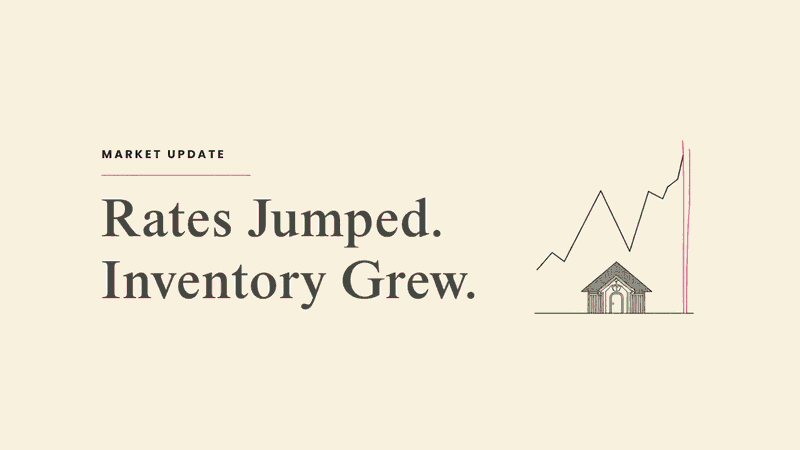
If you’re considering rental property investments in the Greater Philadelphia area, you’ve probably been watching mortgage rates closely. And for good reason—mortgage rates directly impact your ability to generate positive cash flow, achieve competitive cap rates, and build long-term wealth through real estate. Whether you’re eyeing a multi-family property in Fishtown or a single-family rental on the Main Line, understanding how rates affect your bottom line isn’t optional—it’s essential.
At PHL Property Collective, we work with investors every day who are navigating this exact challenge. As someone who’s helped countless clients analyze deals across Greater Philadelphia, I’ve seen firsthand how even a half-point shift in rates can transform a solid investment into a marginal one—or vice versa. Let me walk you through what you need to know.
The Direct Connection Between Mortgage Rates and Your Investment Returns
Let’s start with the basics. When you purchase an investment property, your monthly mortgage payment consists of principal and interest. Higher mortgage rates mean higher interest payments, which directly reduce your monthly cash flow. This impacts every metric you care about as an investor:
Cash Flow Takes the Biggest Hit
Your cash flow is simply rental income minus all expenses, including your mortgage payment. When rates climb, your mortgage payment increases, eating into that monthly profit margin. On a $300,000 investment property in Conshohocken, the difference between a 6% and 7% interest rate is roughly $200 per month—that’s $2,400 annually that disappears from your pocket.
For investors targeting properties in high-demand neighborhoods like Manayunk or Northern Liberties, where purchase prices have remained strong, this squeeze is particularly noticeable. You need to ensure your rental income justifies the higher carrying costs.
Cap Rates Shift Your Strategy
Capitalization rates—the ratio of net operating income to property value—help you compare investment opportunities. When mortgage rates rise, investors typically demand higher cap rates to compensate for increased financing costs. In the Greater Philadelphia market, we’ve seen cap rates for multi-family properties adjust by approximately 50-75 basis points over the past year, particularly in areas like Bucks County and Montgomery County where suburban rental demand remains steady.
Mary Ellen Dearborn from Fusion PHL Realty notes that savvy investors are now looking beyond the sticker price. “You can’t just focus on the purchase price anymore,” she explains. “You need to run the numbers with current financing costs to see if the deal actually works for your portfolio.”
Where Opportunity Still Exists in Greater Philadelphia
Higher rates don’t eliminate opportunity—they shift it. Here’s what’s working in today’s market across our region:
Multi-Family Properties Offer Better ROI
Multi-family properties—duplexes, triplexes, and small apartment buildings—are weathering rate increases better than single-family rentals. Why? Multiple rental streams provide a cushion against higher financing costs. In neighborhoods like Fishtown and Port Richmond, where rental demand remains strong, multi-family properties are delivering 6-8% cap rates even with current mortgage rates.
The Greater Philadelphia market has seen approximately 4.2% rental rate growth in urban submarkets over the past 18 months, which helps offset financing costs on well-located multi-family investments.
Suburban Markets Provide Value Plays
While Center City properties command premium prices, suburban markets in Montgomery County and Bucks County often offer better cash-on-cash returns. Properties in towns like Lansdale, Doylestown, and Jenkintown attract quality tenants—young professionals and families seeking space and good schools—while purchase prices remain more reasonable than urban cores.
Your mortgage payment might be similar, but you’re paying $350,000 instead of $500,000 for a comparable rental property. That lower basis means better overall returns, even at today’s rates.
Value-Add Opportunities Outperform Turnkey
Properties that need cosmetic updates or light renovation are where smart investors are finding deals. When you can purchase below market value and force appreciation through improvements, you create equity that offsets higher financing costs. We’re seeing this strategy work particularly well in transitioning neighborhoods throughout Greater Philadelphia.
The key is ensuring your renovation budget and timeline are realistic—you don’t want to be covering a mortgage payment with no rental income for six months because your contractor disappeared.
Adjusting Your Investment Analysis for Current Rates
Your underwriting process needs to evolve with the rate environment. Here’s how to analyze deals properly:
Stress Test Your Numbers
Don’t just run calculations at today’s rates. Model what happens if rates rise another point before you close, or if your rental income takes three months longer to stabilize than expected. Conservative investors working with PHL Property Collective typically build in a 10-15% buffer on expenses and assume 5-7% vacancy rates, even in strong markets.
This approach keeps you out of negative cash flow situations that can drain your reserves and force premature sales.
Focus on Total Return, Not Just Cash Flow
In a higher-rate environment, you might accept lower monthly cash flow if you’re confident in long-term appreciation and equity buildup through principal paydown. Philadelphia has demonstrated consistent appreciation in established neighborhoods over decades—properties on the Main Line, in Chestnut Hill, and along the Route 202 corridor have historically rewarded patient investors.
Your total return includes cash flow, appreciation, loan paydown, and tax benefits. Sometimes a property that breaks even monthly still delivers 12-15% annual returns when you factor in all components.
Consider Different Financing Structures
Conventional 30-year mortgages aren’t your only option. Depending on your situation, you might explore:
- Adjustable-rate mortgages (ARMs)—Lower initial rates can improve cash flow if you plan to sell or refinance within 5-7 years
- Portfolio loans—Local banks and credit unions sometimes offer more flexible terms for investment properties
- Seller financing—In some cases, sellers will carry paper at below-market rates to facilitate a sale
- Partnership structures—Bringing in equity partners reduces your financing needs and shares both risk and return
Each structure has trade-offs. The team at Fusion PHL Realty can help you evaluate which approach aligns with your investment goals and risk tolerance.
Market-Specific Considerations Across Greater Philadelphia
The Philadelphia market isn’t monolithic. What works in one neighborhood might fail in another:
Urban Core (Center City, Fishtown, Northern Liberties)
These areas command premium rents but also premium purchase prices. Rental demand from young professionals remains strong, with average rents for one-bedroom units in Fishtown reaching approximately $1,850-$2,100. However, you’re competing with developers and institutional investors who can tolerate lower returns.
Your advantage as an individual investor is flexibility and local knowledge. You can move faster than institutions and identify off-market opportunities they’ll never see.
Close-In Suburbs (Manayunk, Conshohocken, East Falls)
These neighborhoods offer a middle ground—urban amenities with more space. Conshohocken has experienced significant rental demand from professionals working at nearby corporate campuses. Properties here often deliver better cash flow than Center City while maintaining strong appreciation potential.
Traditional Suburbs (Main Line, Montgomery County, Bucks County)
Single-family rentals in established suburban communities attract long-term tenants, particularly families. Tenant turnover is typically lower, reducing vacancy and turnover costs. However, rent growth is usually steadier rather than explosive.
These markets favor investors seeking stability over maximum appreciation. If you’re building a portfolio for long-term wealth rather than quick flips, these areas deserve serious consideration.
The Bottom Line: Strategy Matters More Than Ever
Higher mortgage rates haven’t eliminated real estate investing opportunities in Greater Philadelphia—they’ve simply raised the bar for what constitutes a good deal. You need to be more selective, more thorough in your analysis, and more creative in your approach.
The investors who succeed in this environment are those who:
- Run conservative numbers and stress-test their assumptions
- Focus on cash flow and total return, not just property appreciation
- Understand their local submarkets intimately
- Build relationships with knowledgeable real estate professionals who understand investment properties
- Keep adequate reserves for unexpected expenses and market shifts
Whether you’re acquiring your first rental property or your fifteenth, the fundamentals remain the same: buy in good locations, at prices that make financial sense, with financing you can sustain through market cycles. At PHL Property Collective, we’re committed to helping investors navigate these decisions with clear-eyed analysis and local expertise.
The Greater Philadelphia market continues to offer compelling opportunities for investors who approach it strategically. Mortgage rates are just one variable in your investment equation—important, certainly, but not the only factor that determines your success.
Professional Disclaimer
This article is provided for informational and educational purposes only and should not be considered financial, investment, legal, or tax advice. Real estate investing involves substantial risk, and past performance does not guarantee future results. Mortgage rates, market conditions, rental demand, and property values fluctuate and can impact investment returns. All investment decisions should be made based on your individual financial situation, risk tolerance, and investment objectives after consultation with qualified financial, legal, and tax professionals. Mary Ellen Dearborn, PHL Property Collective, and Fusion PHL Realty do not guarantee any specific investment outcome or return. All statistical data and market references are believed to be accurate as of the date of publication but are subject to change. This content does not constitute an offer to sell or a solicitation to buy any real estate or securities. All real estate transactions are subject to applicable federal, state, and local laws, including Fair Housing Act requirements.
By Mary Ellen Dearborn