
Is Buying a Rowhome in Philadelphia Worth It? Pros, Cons, and What to Expect
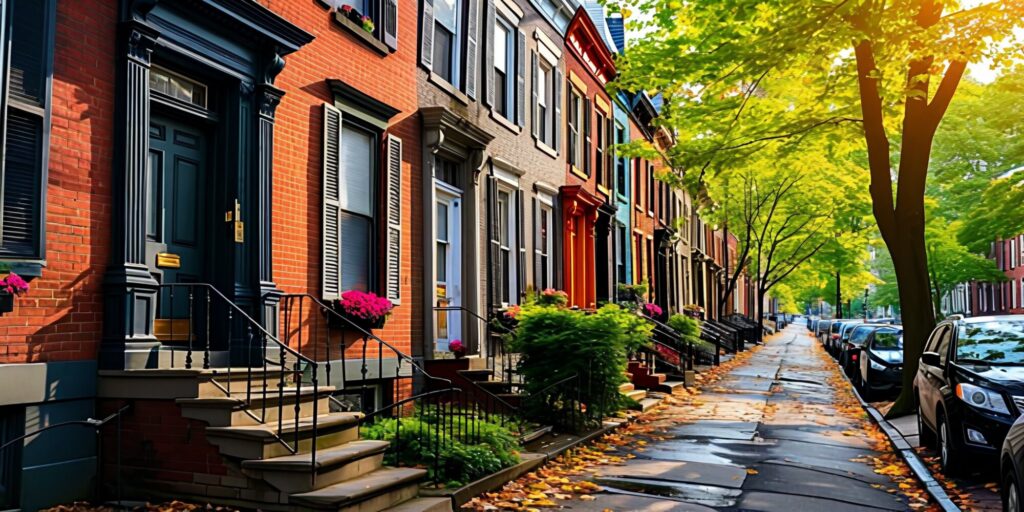
If you’re looking at homes in Philadelphia, you’ve probably noticed that rowhomes dominate the landscape. From Fishtown to South Philly, these iconic attached homes make up a huge chunk of the city’s housing stock. But is buying a Philadelphia rowhome actually worth it?
The short answer: it depends on what you value. Rowhomes offer character, affordability, and neighborhood variety that’s hard to beat. But they also come with shared walls, older infrastructure, and a few surprises that first-time buyers don’t always expect.
I’m John Kuester III with PHL Property Collective and Fusion PHL Realty, and I’ve helped dozens of buyers navigate their first rowhome purchase. Here’s what you need to know before you sign on the dotted line.
The Pros: Why Philadelphia Rowhomes Are Popular
Affordability Compared to Single-Family Homes
Let’s start with the obvious: rowhomes are generally more affordable than detached single-family homes. In neighborhoods like Point Breeze and Kensington, you can find well-maintained rowhomes in the $200k–$350k range—prices that would barely get you a condo in other major cities.
Even in hot markets like Fishtown or Graduate Hospital, rowhomes typically run $100k–$200k less than comparable single-family properties. That price difference gives you more buying power, whether you’re a first-time buyer or looking to invest.
Character and Historic Charm
Philadelphia rowhomes come with features you won’t find in newer construction: original hardwood floors, brick fireplaces, bay windows, ornate moldings, and those classic marble steps. Many were built in the 1800s or early 1900s, and that craftsmanship shows.
If you appreciate historic character, rowhomes deliver. You’re buying a piece of Philadelphia’s architectural history—not a cookie-cutter suburban box.
Walkable, Tight-Knit Neighborhoods
Rowhomes are concentrated in Philadelphia’s most walkable neighborhoods. You’re usually close to restaurants, coffee shops, parks, and public transit. In areas like Passyunk or Manayunk, you can walk to everything you need.
The density also creates a sense of community. You’ll know your neighbors—literally, since you share walls with them.
Strong Appreciation Potential in the Right Neighborhoods
Over the past decade, neighborhoods like Fishtown, Graduate Hospital, and Point Breeze have seen significant appreciation. Rowhomes that sold for $150k in 2015 are now worth $400k or more in some cases.
While past performance doesn’t guarantee future results, Philadelphia’s housing market remains strong compared to national averages. If you buy in an up-and-coming neighborhood and hold for 5–10 years, you could see solid equity growth.
The Cons: What Most Buyers Underestimate
Shared Walls and Party Wall Agreements
This is the big one. When you buy a rowhome, you share walls with your neighbors—and that means noise, maintenance responsibilities, and potential legal considerations.
You’ll hear footsteps, conversations, TVs, and the occasional argument. Insulation varies widely depending on when the home was built and whether previous owners added soundproofing. Some rowhomes have surprisingly good sound barriers; others feel like you’re living in the same house.
Then there’s the party wall itself. In Philadelphia, party wall agreements outline who’s responsible for maintaining the shared wall. If your neighbor’s side of the wall needs repair and they refuse to contribute, things can get messy. As John Kuester III with Fusion PHL Realty, I always recommend having an attorney review any existing party wall agreements before you close.
Older Housing Stock = Higher Maintenance
Most Philadelphia rowhomes are 80–150 years old. That charm comes with a price: outdated plumbing, aging electrical systems, and deteriorating foundations.
Common issues include:
- Galvanized or cast-iron pipes that need replacing
- Knob-and-tube wiring (a safety hazard and insurance red flag)
- Roof leaks, especially on older flat or mansard roofs
- Foundation settling and cracked masonry
- Insufficient insulation and drafty windows
Budget for ongoing repairs. Even a well-maintained rowhome will need attention. Set aside at least $5k–$10k per year for unexpected fixes.
Parking Can Be a Nightmare
Unless you’re buying in a neighborhood with a driveway or garage (rare), you’re competing for street parking with everyone else on your block. In dense areas like South Philly, finding a spot after 7 p.m. can take 20 minutes—or more.
Some neighborhoods have permit parking, which helps. But if you have multiple cars or frequently host guests, parking will be a frustration.
Limited Outdoor Space
Many rowhomes have small backyards or no yard at all. If you’re coming from a suburban home with a big lawn, the lack of outdoor space can feel claustrophobic.
Some buyers love the low-maintenance lifestyle. Others miss having room for a garden, patio, or kids to play. Know what you’re giving up.
What to Inspect Before You Buy
A standard home inspection isn’t enough for an older rowhome. Here’s what I tell buyers at PHL Property Collective to prioritize:
Foundation and Structural Integrity
Look for cracks in the walls, sloping floors, and signs of settling. Philadelphia rowhomes were often built on shallow foundations, and shifting can cause serious (and expensive) problems.
Roof and Water Damage
Check the attic for leaks, water stains, and mold. Ask when the roof was last replaced. A new roof on a rowhome can cost $8k–$15k, so factor that into your offer if it’s near the end of its life.
Plumbing and Electrical Systems
Hire a licensed plumber and electrician to inspect the systems separately. Replacing old plumbing or rewiring a rowhome can cost $15k–$30k, and you don’t want surprises after closing.
Shared Walls and Party Wall Condition
Ask your inspector to check the party walls for cracks, moisture, and structural issues. If your neighbor’s wall is in bad shape, it could become your problem.
Permits and Code Compliance
Previous owners sometimes do unpermitted work—additions, electrical upgrades, or plumbing changes that aren’t up to code. Pull permit records from the city and make sure major renovations were done legally. If they weren’t, you could be on the hook for bringing things up to code.
Is a Rowhome Right for You?
Here’s the bottom line: Philadelphia rowhomes are a great option if you value affordability, walkability, and historic character—and you’re willing to accept shared walls, ongoing maintenance, and parking challenges.
They’re especially worth it if:
- You’re a first-time buyer looking to build equity in a strong market
- You prefer urban living over suburban sprawl
- You don’t mind occasional noise from neighbors
- You’re handy (or willing to hire contractors) for repairs
- You’re buying in a neighborhood with appreciation potential
They’re probably not the best fit if:
- You need total privacy and soundproofing
- You want a large yard or outdoor space
- You’re not prepared for ongoing maintenance costs
- Parking is a dealbreaker for your lifestyle
Every buyer’s situation is different. As someone who’s worked with clients across Fishtown, Passyunk, Manayunk, and beyond, I can tell you that rowhomes aren’t for everyone—but for the right buyer, they’re one of the best values in Philadelphia real estate.
If you’re considering a rowhome and want to talk through your specific needs, reach out. We’ll walk the property together, review inspection reports, and make sure you’re making a smart investment.
Disclaimer: This article is for informational purposes only and does not constitute legal, financial, or professional real estate advice. Home buyers should conduct their own due diligence, hire licensed inspectors, and consult with qualified professionals before making any real estate purchase. All statements regarding market trends, appreciation potential, and neighborhood characteristics are based on historical data and personal observations and should not be construed as guarantees of future performance. PHL Property Collective and Fusion PHL Realty comply with the Fair Housing Act, RESPA, and the NAR Code of Ethics. Equal Housing Opportunity.
By John Kuester III